The book
Twelve ingredients. Twenty four drinks. One story each.
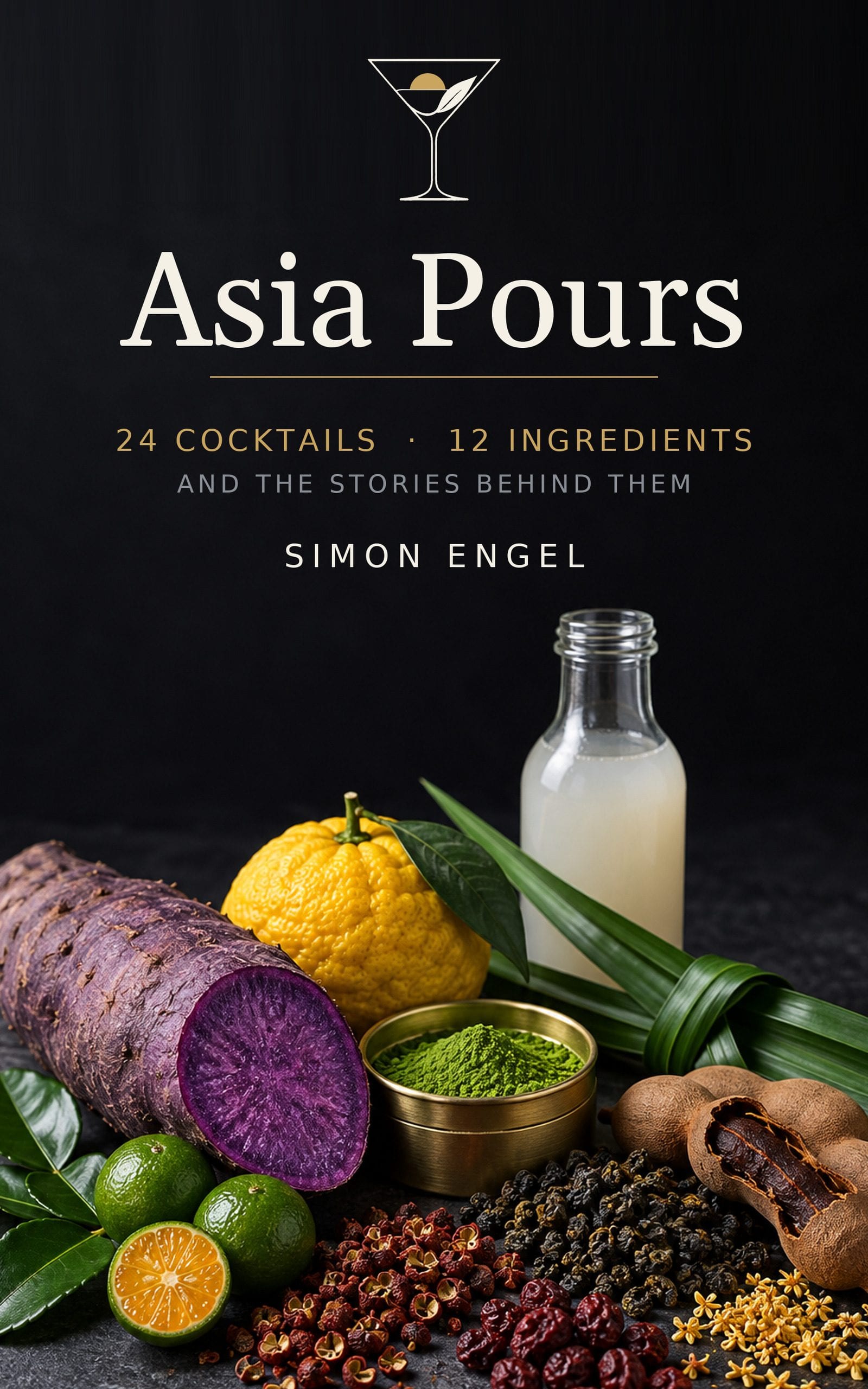
Asia Pours is a book about where the things in your glass come from, who earns from them, and why the label rarely says.
Out 1 November 2026. 176 pages. Twelve of the twenty four drinks have no alcohol in them.
Every fact is sourced.
176 pages, every factual statement tied to a published source.
Half of it is zero proof.
Twelve of the twenty four drinks, built with the same care.
Asia Pours treats a cocktail as the smallest usable unit of cultural fluency. A drink is small enough to finish and specific enough to mean something: it names a place, a season, a farm and a trade route, and each of those is a question somebody's counterpart in Manila, Osaka or Kyoto is dealing with now.
The booklet makes that case with three ingredients, a root, a fruit and a leaf, in six cocktails. It is finished and it is free by email. The book keeps the method and widens the subject.
Drawn for the book
Where the ingredient comes from
The scope
Twelve ingredients
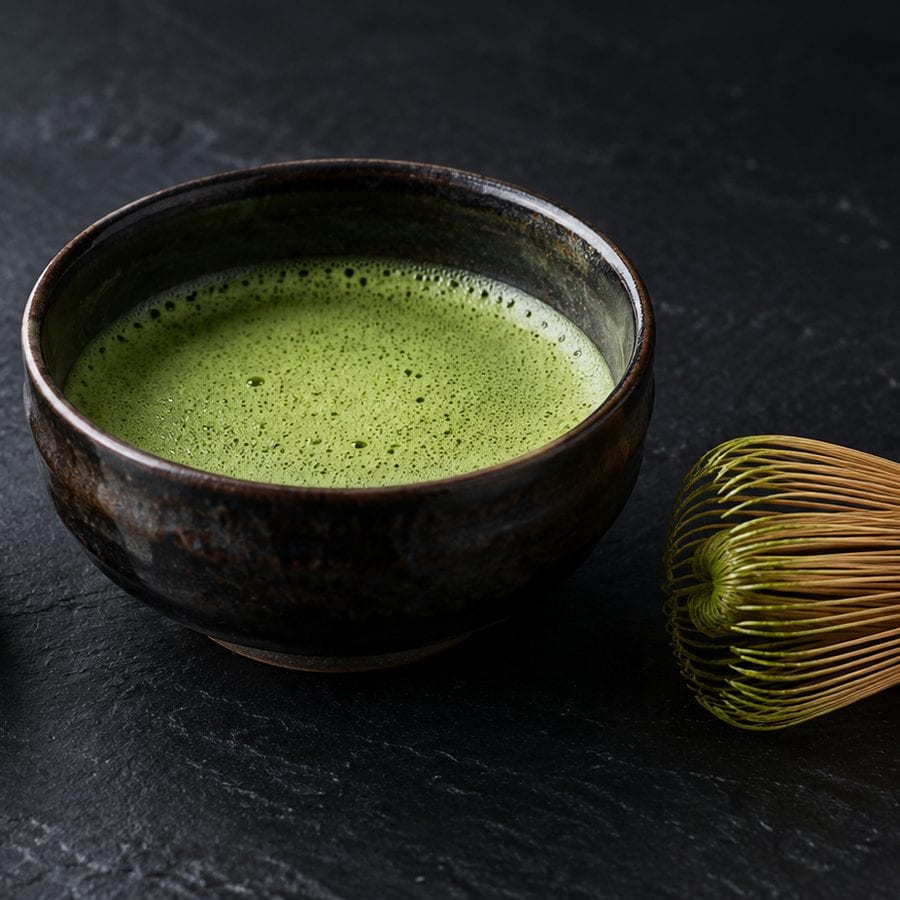
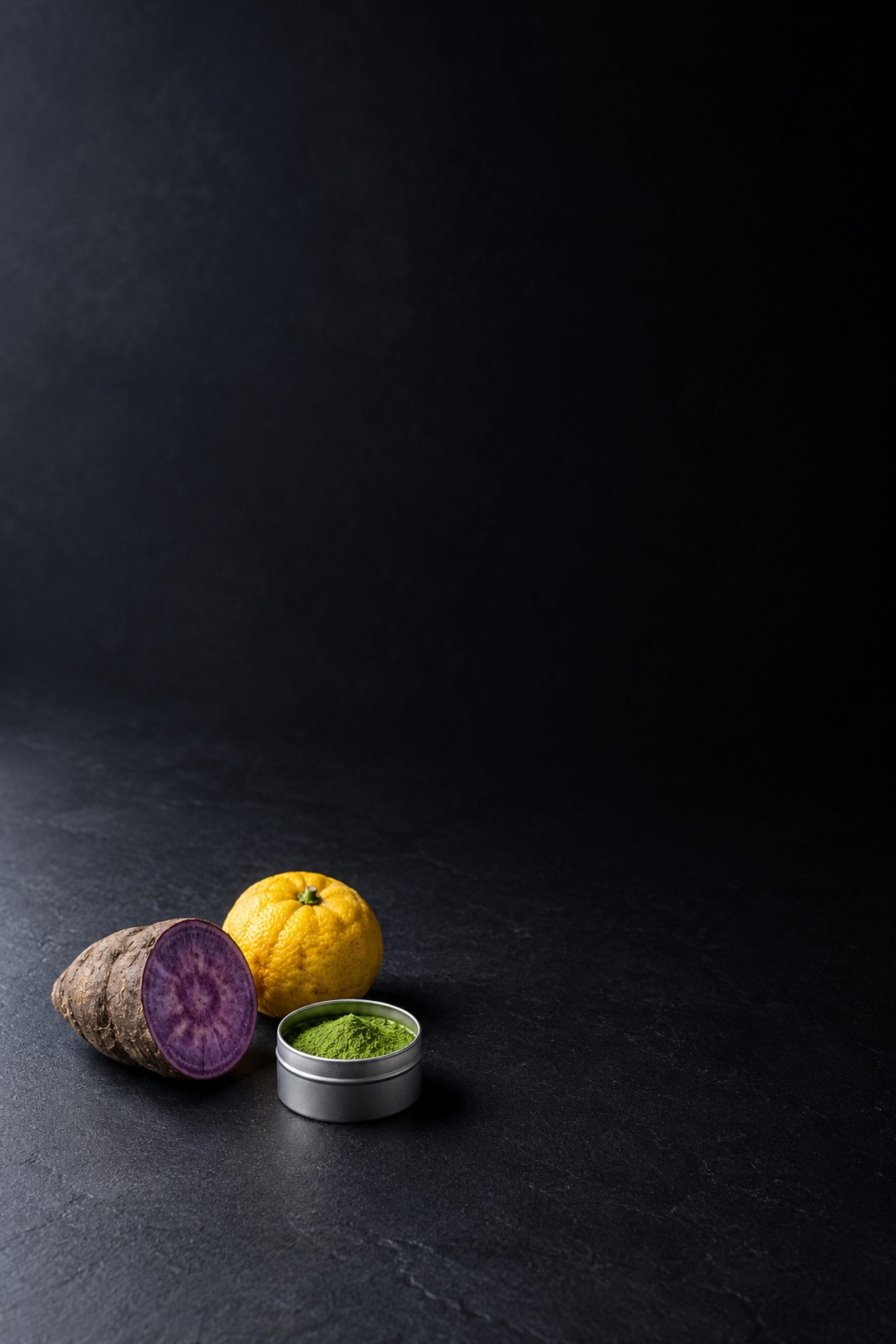
Ube, yuzu and matcha are written and published as the booklet. The other nine are the book.
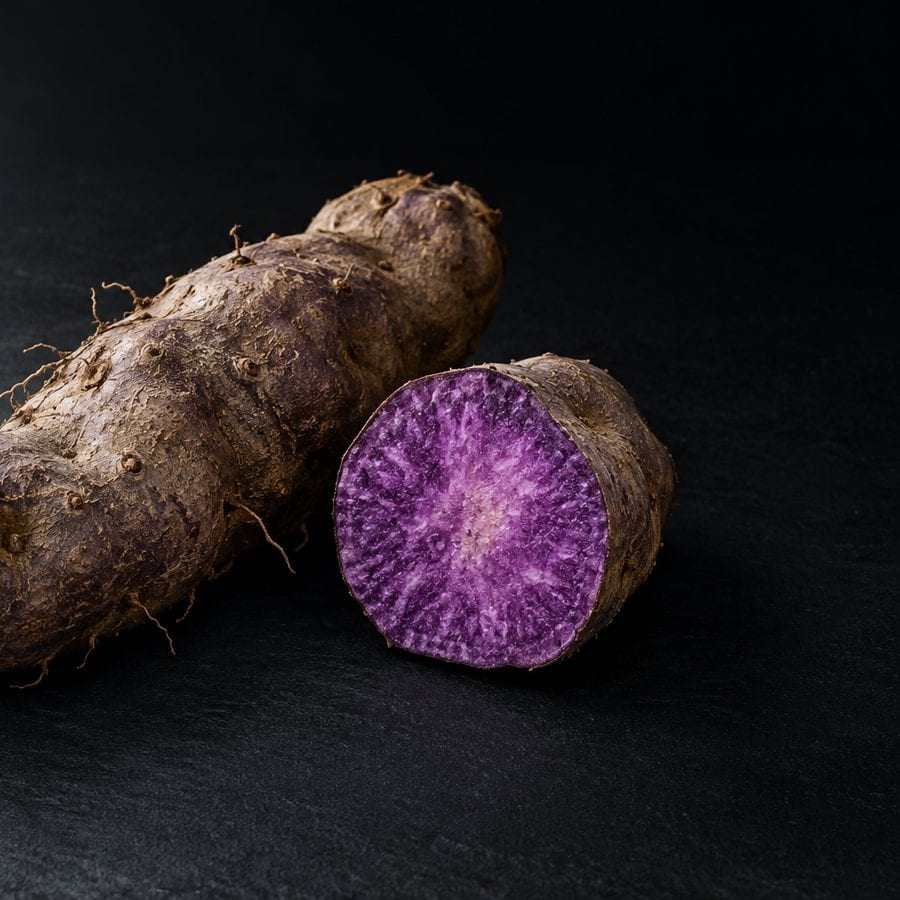
Ube
Yuzu
Matcha
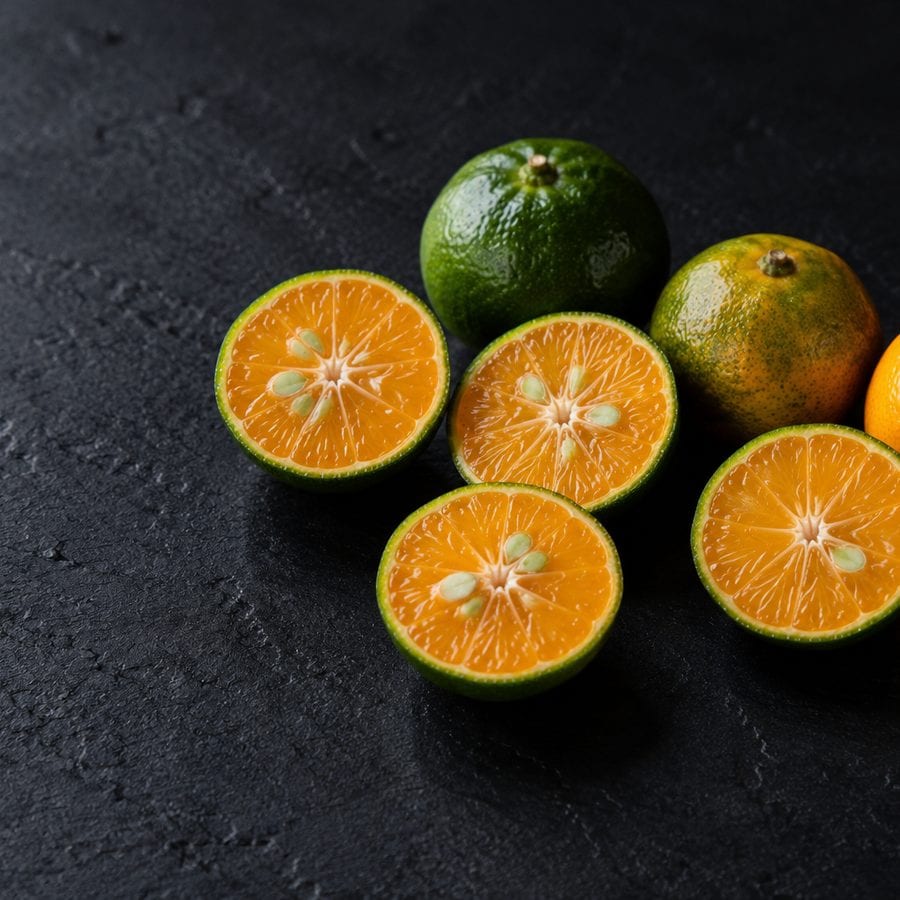
Calamansi
Makrut lime
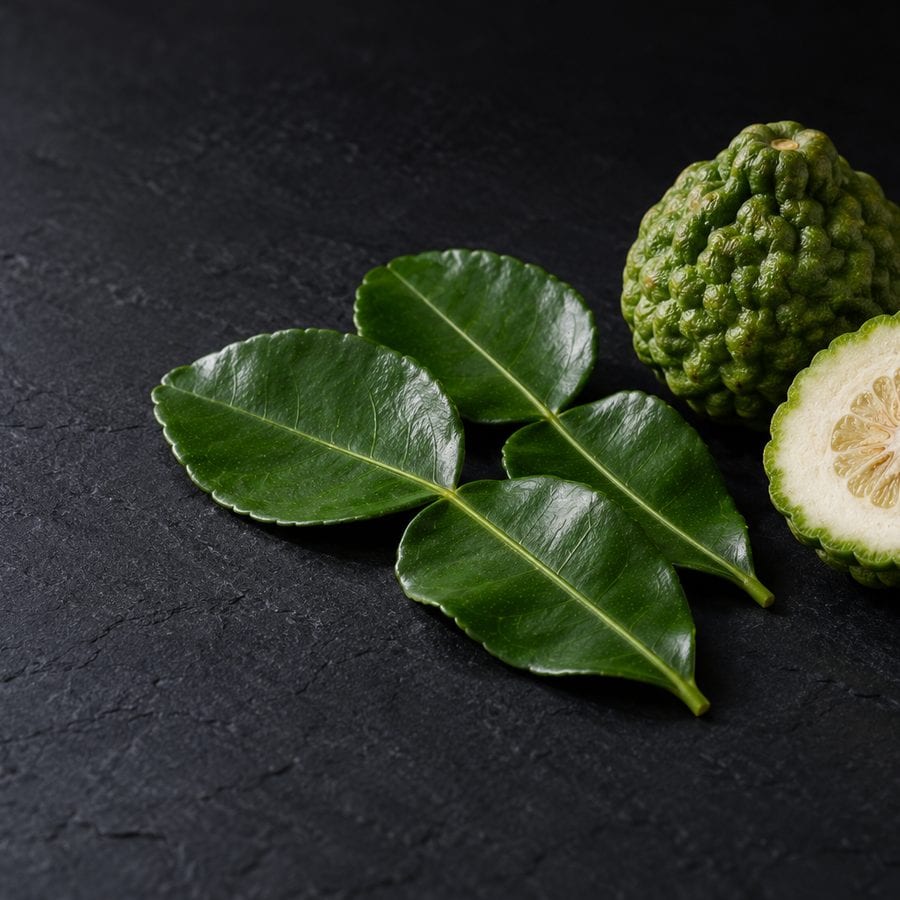
Pandan
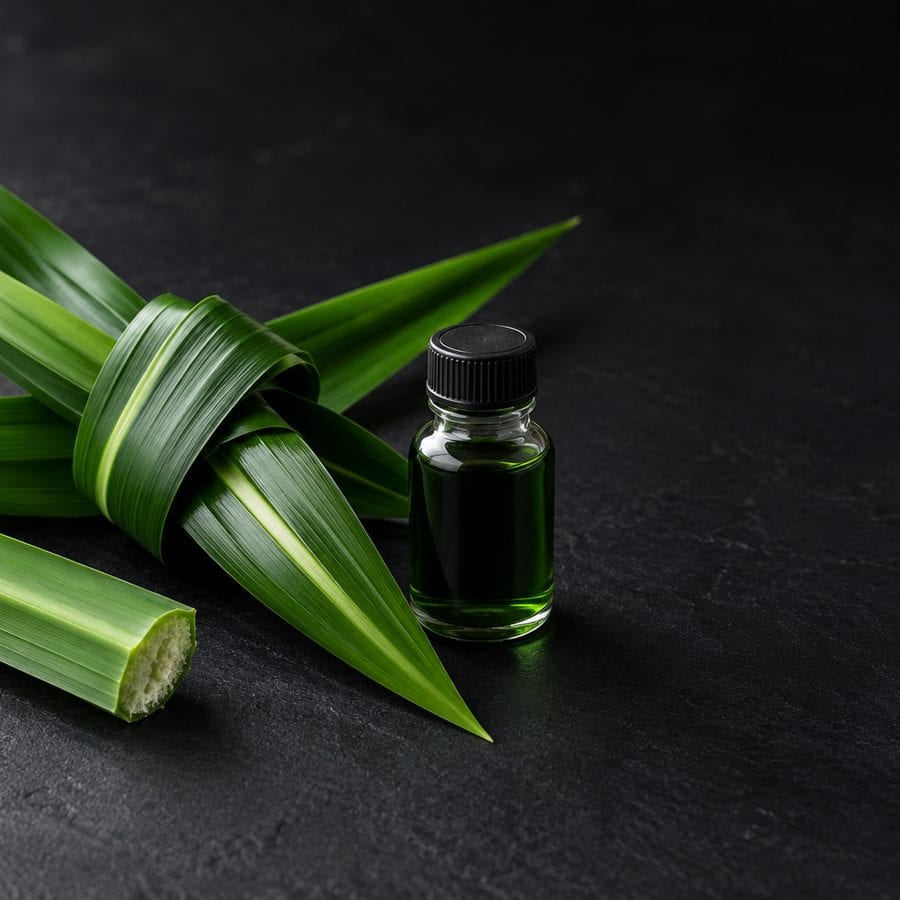
Omija
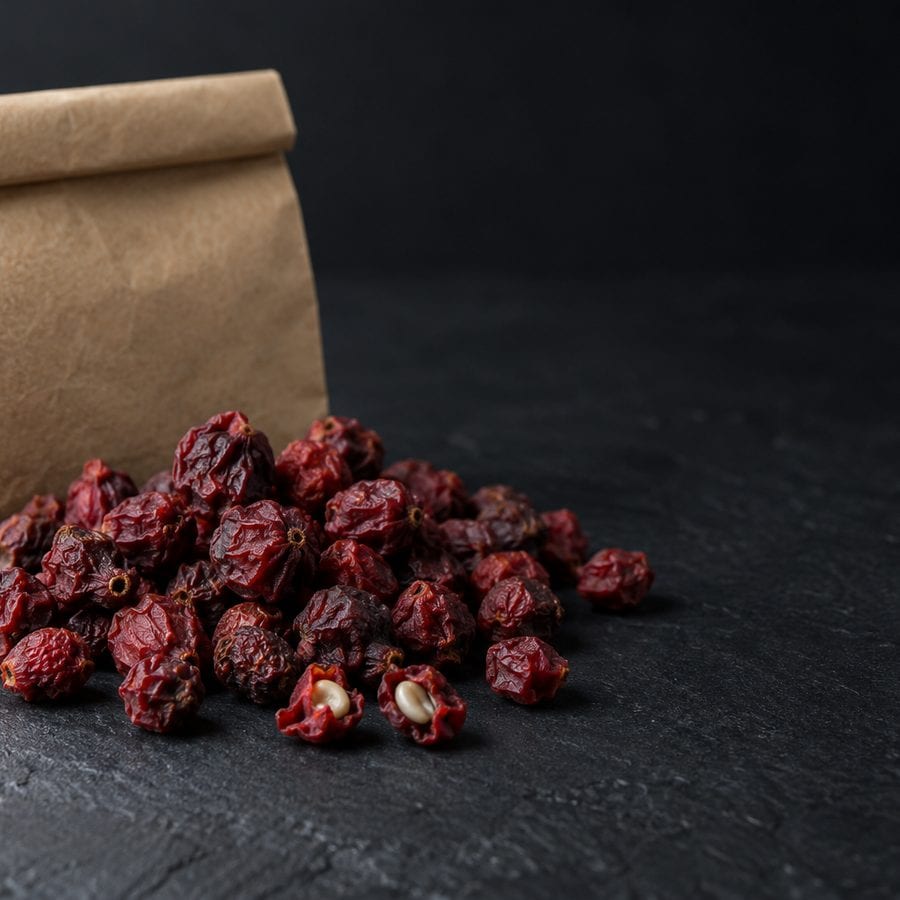
Osmanthus
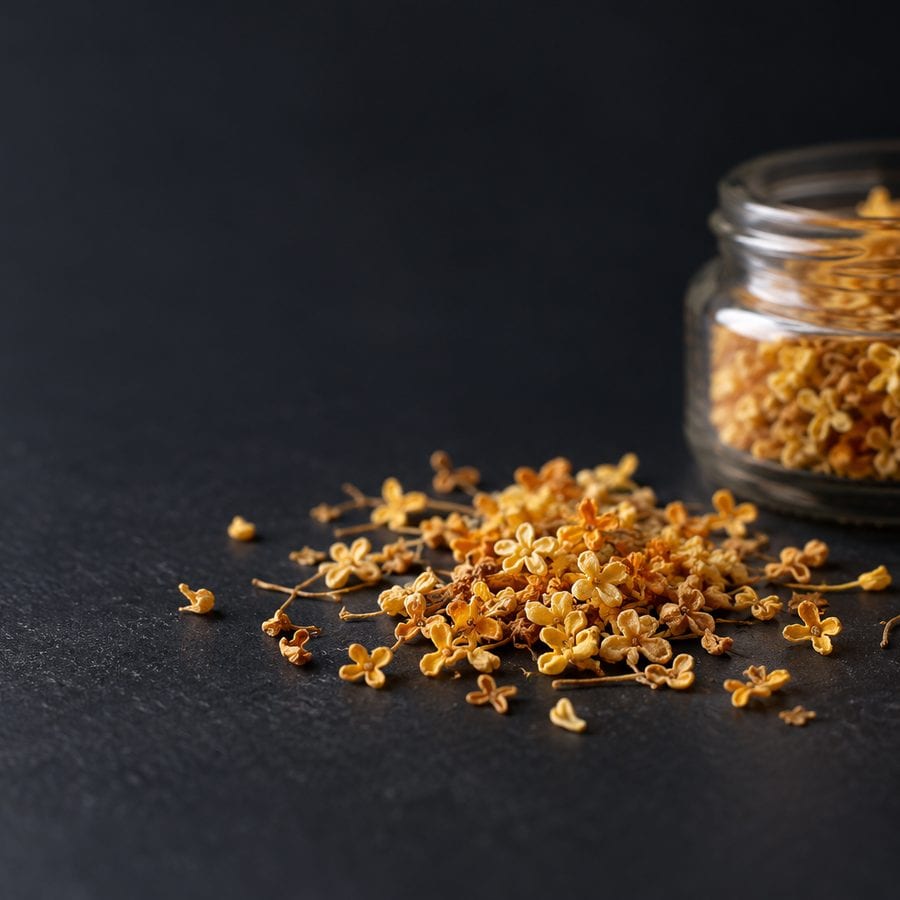
Oolong
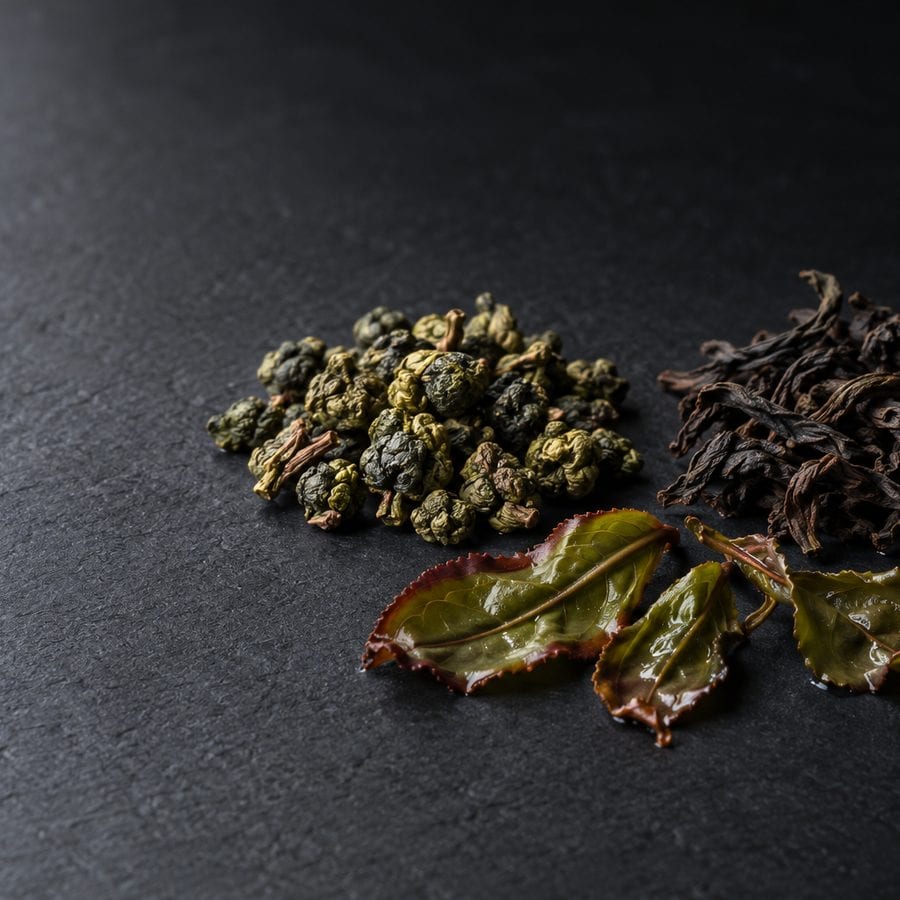
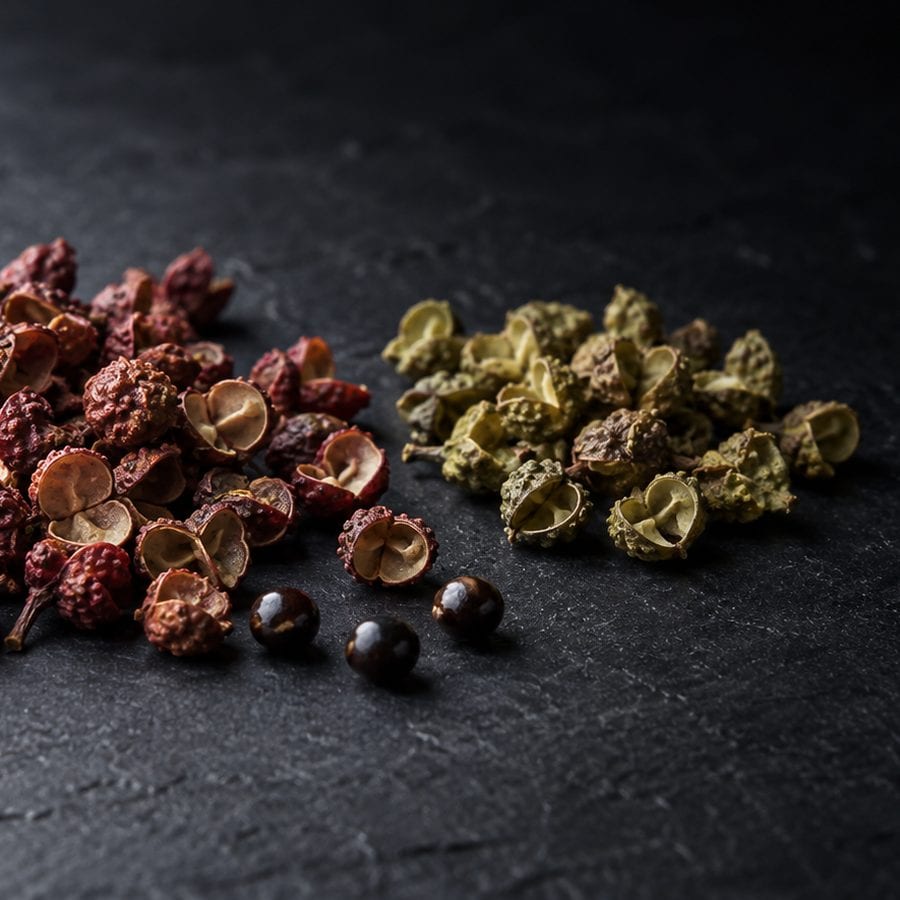
Sichuan pepper
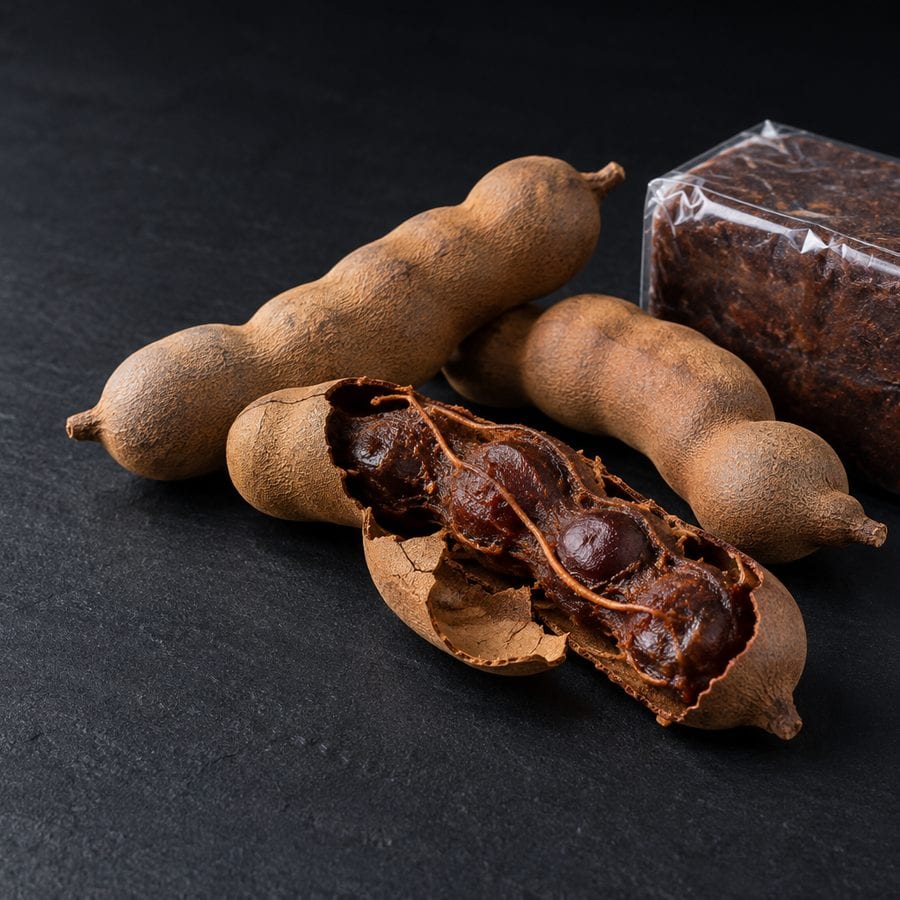
Tamarind
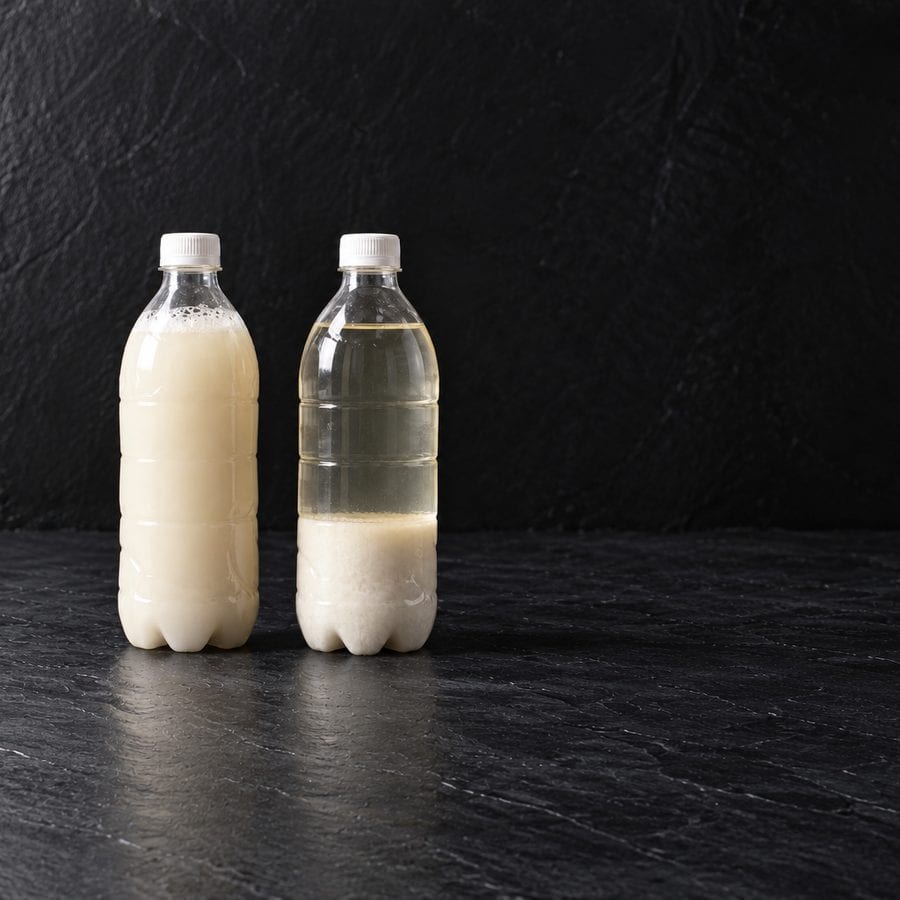
Makgeolli
Out 1 November 2026. Delivered to your Kindle on release day.
The method
What the record shows
Each chapter asks the same three questions: what the record actually shows, who controls the name, and where the value ends up. The answers differ enough to be worth the trip.
Ube: origin without control
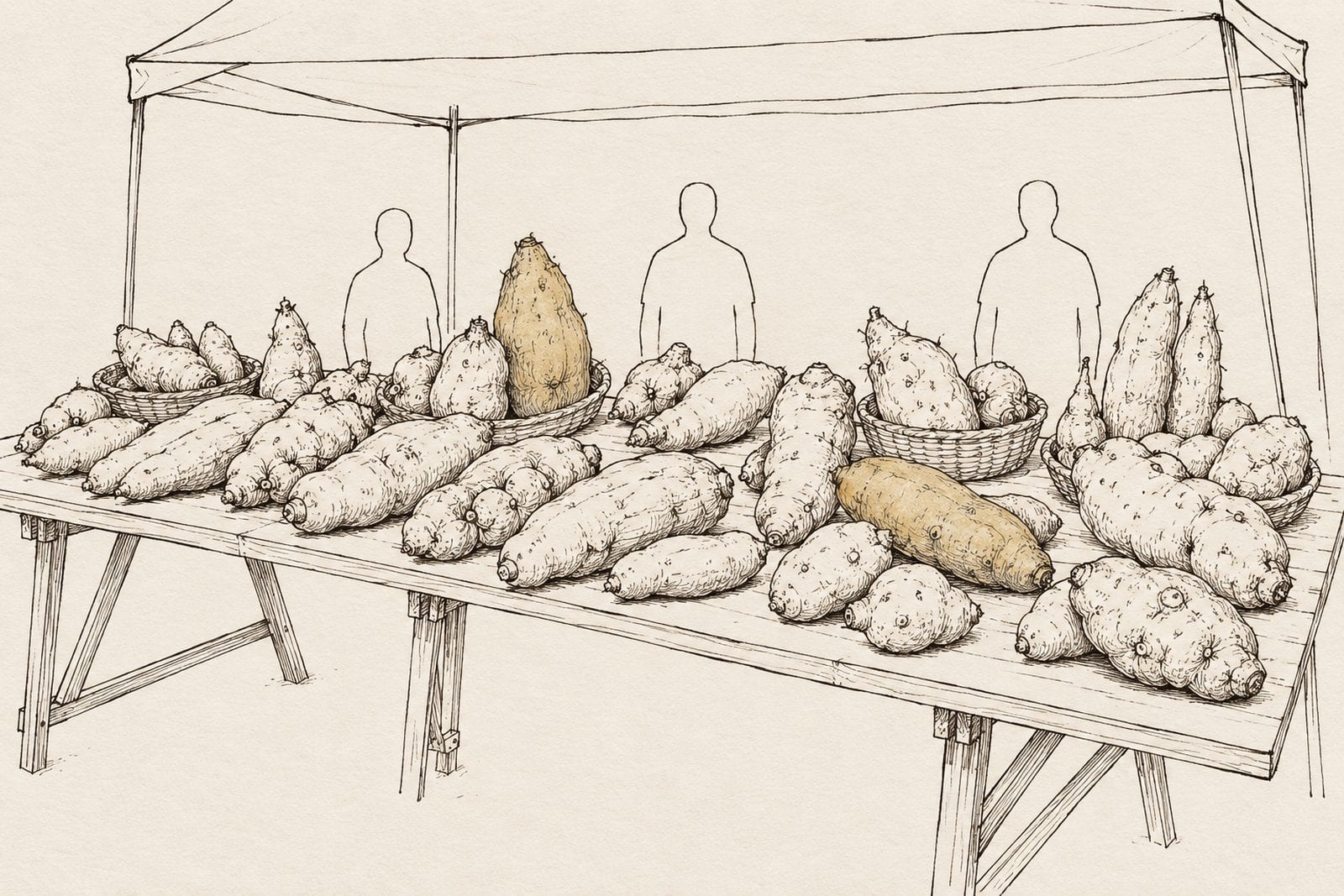
It is not a purple sweet potato, not taro, and not new. The physical evidence sits in Ille Cave on Palawan, where archaeologists recovered charred purple yam tissue dated between roughly 8,250 and 3,050 BCE. The written trail begins in 1613, when the first Tagalog and Spanish dictionary lists it as uvi. Francisco Ignacio Alcina, a Jesuit writing about the Visayas between 1667 and 1670, found it growing in so many kinds and colors that he gave up trying to catalog them.
A market in ersatz ube has since grown alongside the real one, with purple sweet potato standing in for yam in boba shops and industrial bakeries. Purple has become a claim rather than a description. Bohol has applied for geographical indication protection for its Ubi Kinampay, the same class of legal instrument that protects Champagne.
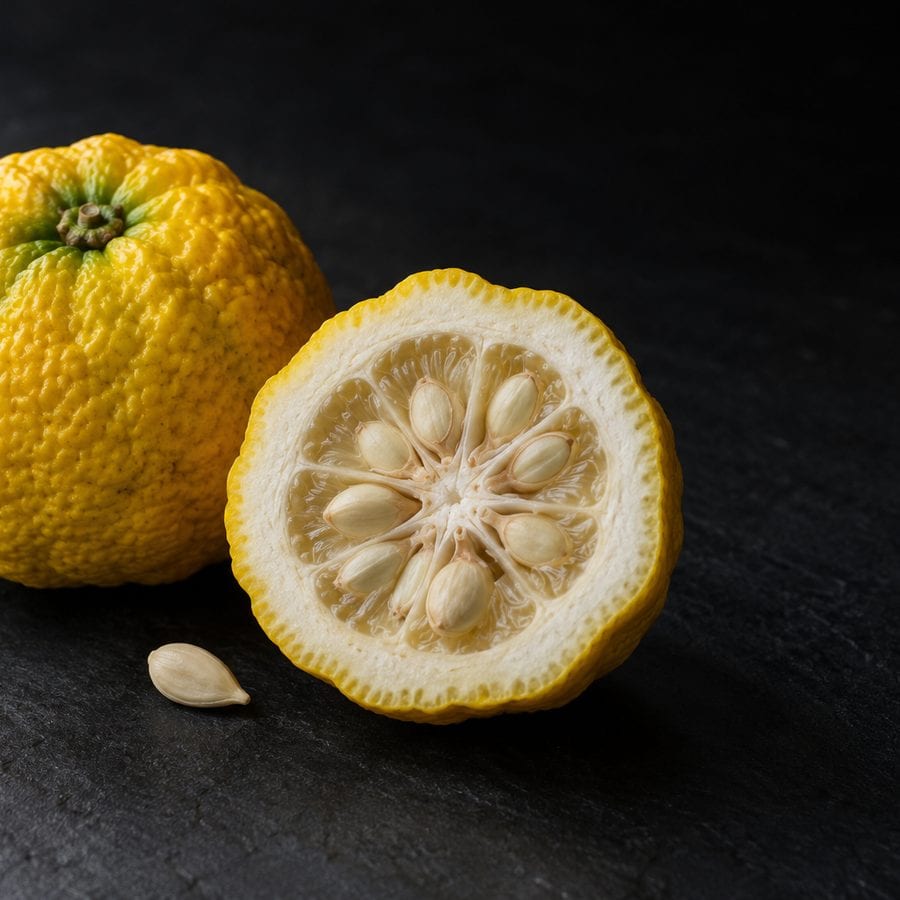
Yuzu: origin as strategy
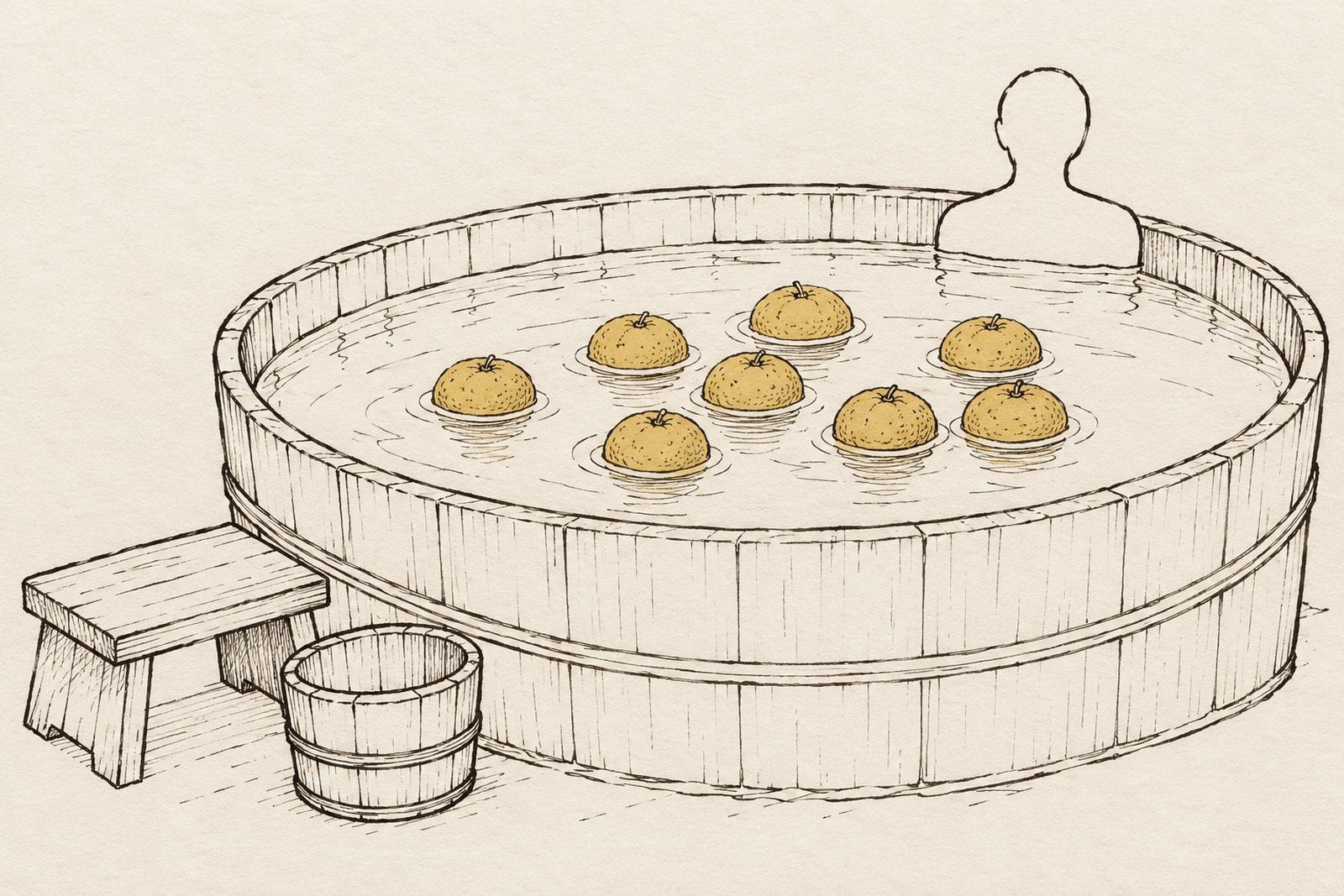
On the winter solstice, Japanese families float whole yuzu in a hot bath. The bath is said to keep colds away for a year. Nobody checks.
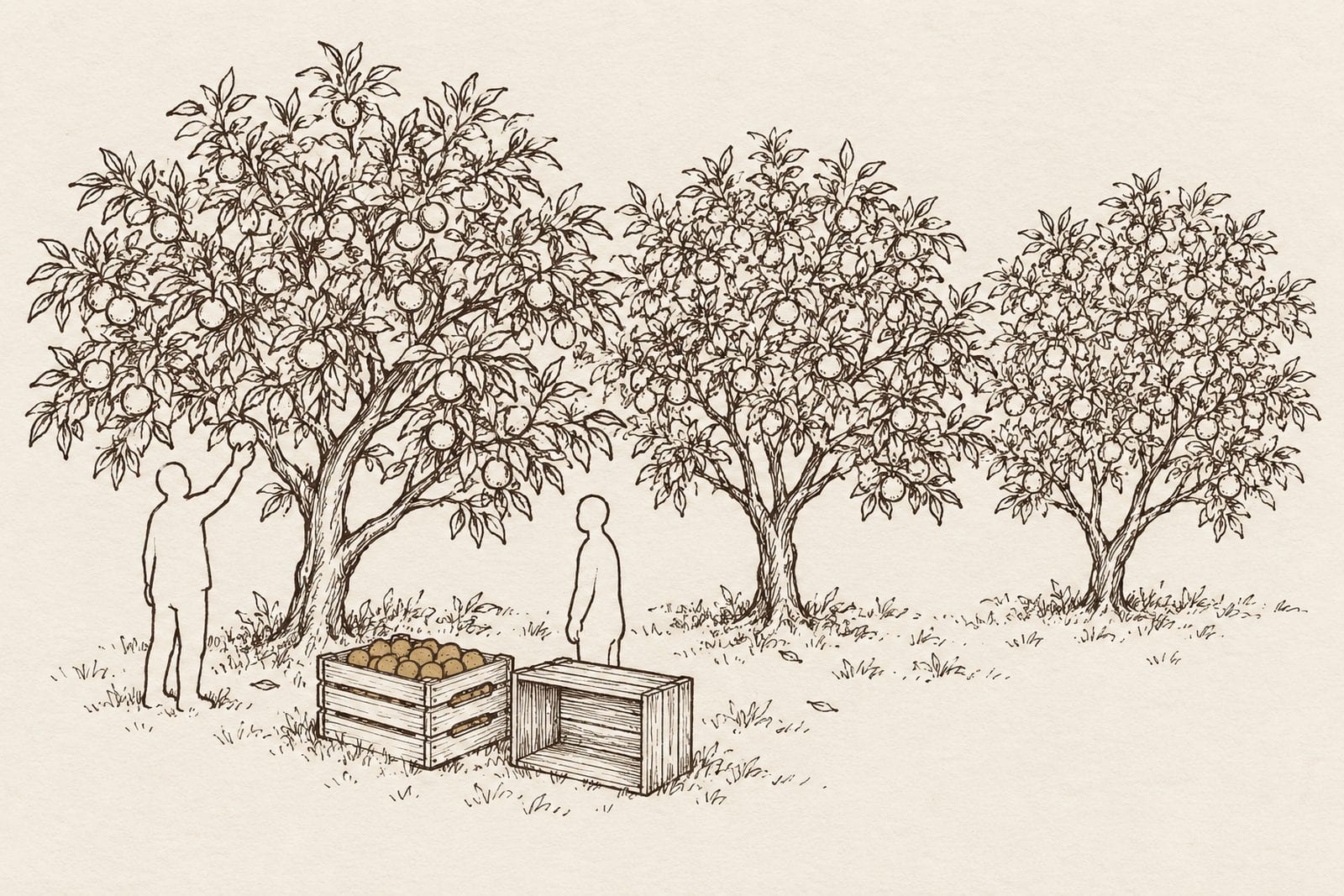
For decades fresh yuzu could not enter the European Union at all. In February 2012 Japan's agriculture ministry and the EU agreed quarantine conditions for Japanese citrus. Kochi's exports of fresh yuzu and juice ran at 26 million yen in 2010 and 40 million in 2011, then 89 million in 2012, the year the EU opened.
Both passages are from the booklet. Every factual claim on this site traces to a named source, listed on the sources page.
The offer
Asia Pours, Kindle edition
€24.99, out 1 November 2026. 176pages. Twelve ingredients from East and Southeast Asia, twenty four drinks, twelve of them without alcohol, and the commercial story behind each ingredient: who controls the name, what it had to become to cross a border, where the slowest decision sits, and what processing keeps and removes.
Pre-order now and it arrives on your Kindle on release day. A paperback follows, and the people on the list hear about it first.
Pre-order the Kindle edition, €24.99Free, by email
Not ready to buy?
Take the booklet the book grew out of. Twenty four pages, three ingredients, six drinks with full builds, free and complete.
The list
Hear when it is ready
The full book is finished and the Kindle edition is out on 1 November 2026. Leave an address and you will hear once, on the day it is out. It is a separate list from the booklet, so this is the only thing it is used for.
Please confirm your email
We have sent a confirmation message. Click the link in it and you are on the list.
One message, when the book is ready. You can unsubscribe at any time, and unsubscribing here does not affect the booklet list. The privacy notice sets out who processes your address and on what basis.
When
The book arrives 1 November 2026
The Kindle edition is out on 1 November 2026, and a pre-order arrives on your Kindle that day, automatically. Print will follow soon after.
Asia Pours is written by Simon Engel as a Gen A 2026 graduation project for Asia Society Switzerland. There is more about the project and its author, including the disclosure covering how it was researched and illustrated.
Every photograph and drawing on this page is AI generated and captioned as such, the cover included: the book is a real object, the ingredients arranged on its cover were never photographed. The book makes the same disclosure on page 4.